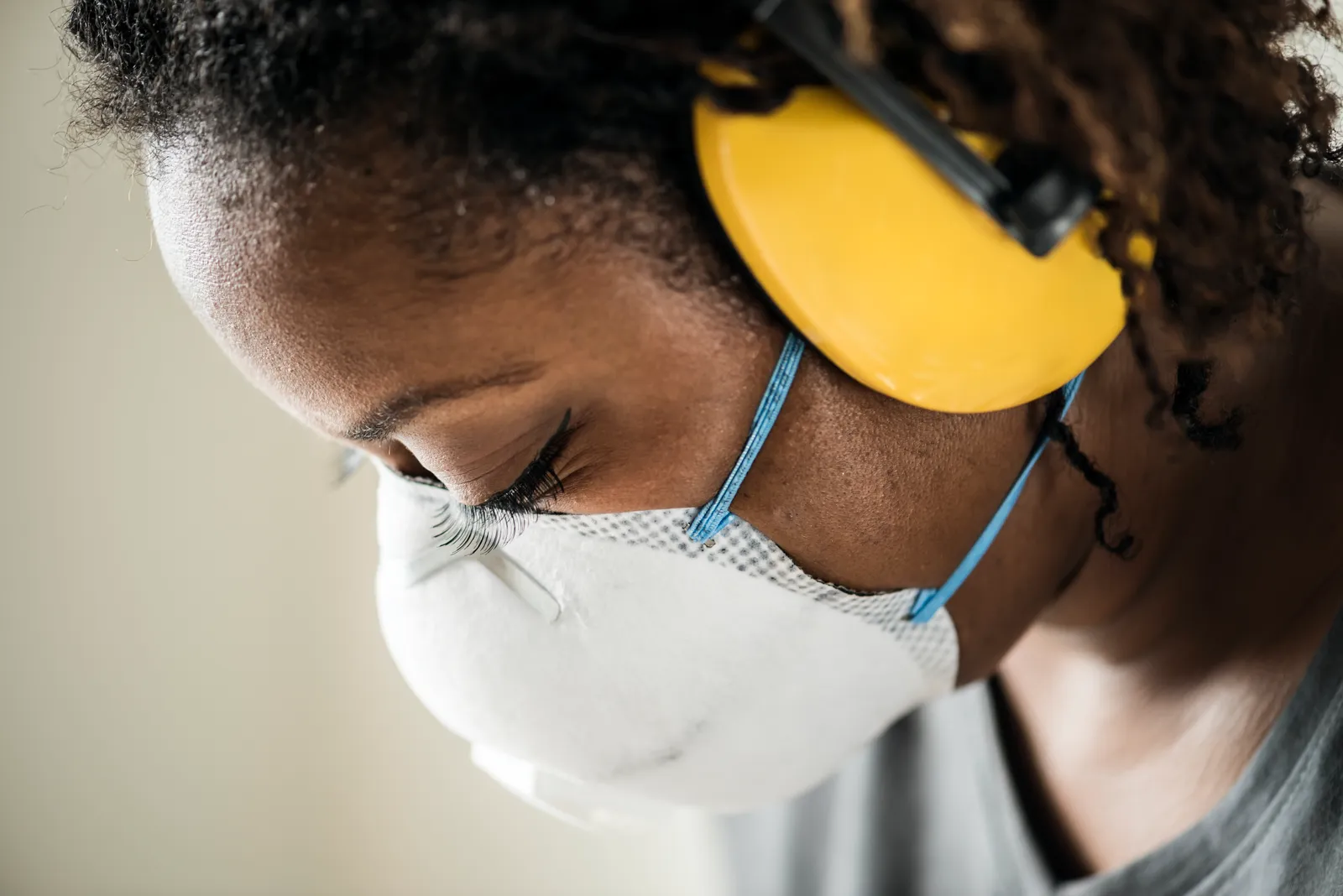
Who Pays for PPE in the Workplace?
When it comes to staying safe on the job, Personal Protective Equipment (PPE) is often the last line of defence. From hard hats and safety goggles to protective gloves and high-visibility clothing, this gear is essential for preventing injuries. However, a common question arises among workers and managers alike: who is actually responsible for paying for it?
The Employer Bears the Cost
In Barbados, the Safety and Health at Work Act makes the financial responsibilities very clear. Under the law, the duty to supply protective clothing and equipment falls firmly on the employer or occupier of the workplace. The legislation explicitly states that no fee or other charge shall be required from any person employed in respect of any arrangement, facility, equipment or appliances provided in accordance with the Act.
This means that if a piece of safety equipment is legally required for the employee to do their job safely, the employer must cover the cost. The employer cannot deduct the price of a safety harness from wages or ask the worker to buy their own safety gear in whole or in part.
What the Regulations Require
The Safety and Health at Work (Personal Protective Equipment) Regulations, 2022 (S.I. 2022 No. 58) go further in specifying employer obligations. The regulations require employers to conduct a risk assessment of workplace hazards and provide appropriate PPE at no cost to the employee. Employers must also ensure that workers are properly trained in the correct use, maintenance and storage of their equipment before they use it. The full text of these regulations is available for download at the bottom of this article.
The Worker’s Responsibility
While the employer must open their wallet to provide the necessary PPE, the employee also has strict legal obligations. Workers have a general duty under the law to correctly use the personal protective clothing or devices provided for their use. Workers must accept that failing to wear the provided safety gear not only puts their physical health at risk but also puts them in breach of their legal workplace duties.
Summary
To put it simply, workplace safety is a shared responsibility, but the financial burden of PPE is not. Employers must provide and pay for the necessary safety equipment, and employees must commit to wearing and using it correctly. By understanding these rights and duties, both parties can contribute to a safer and healthier working environment.
Downloads
Related documents and resources